
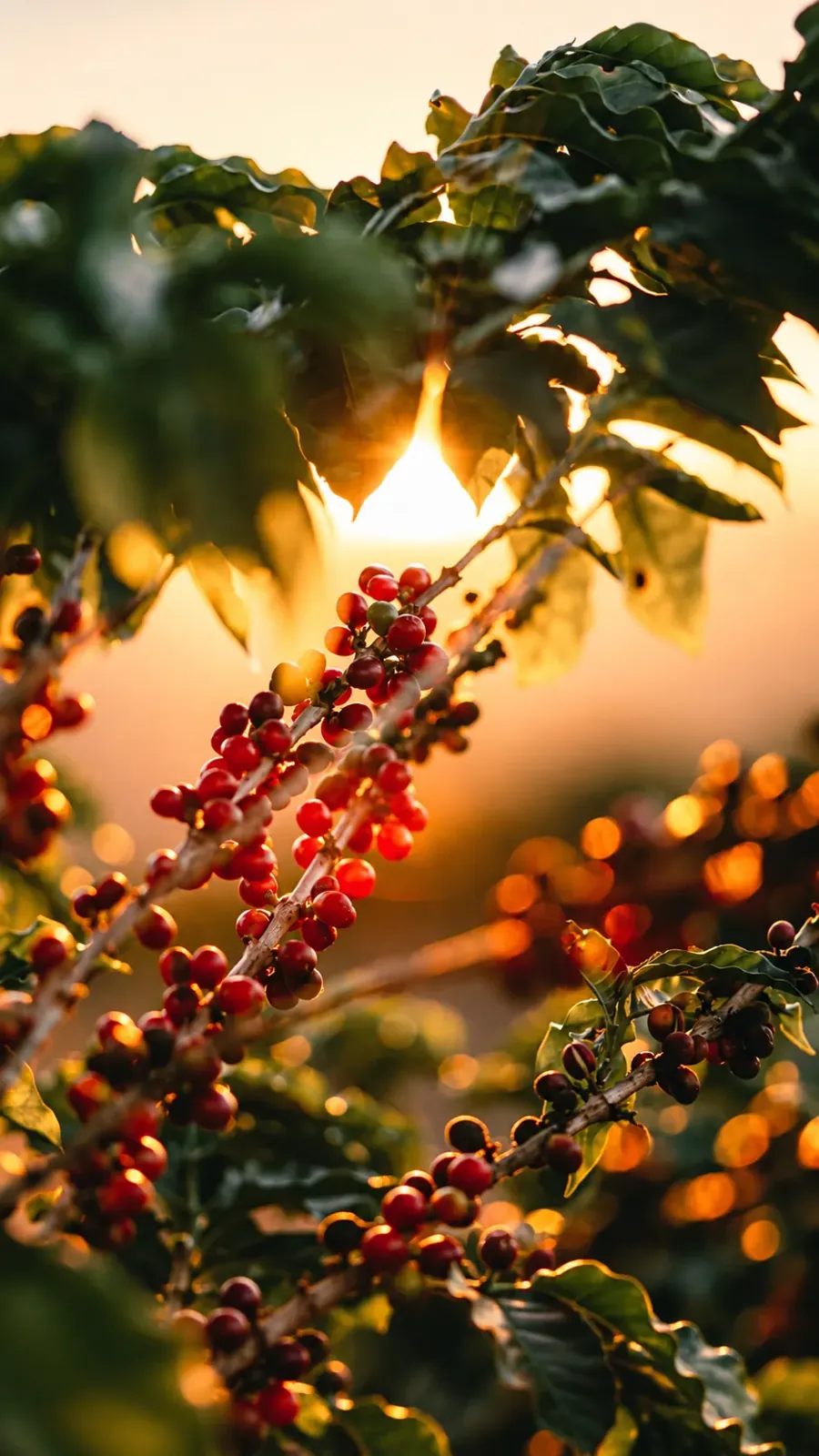
Origin Coffee Cambodia
100% Cambodia-Origin Coffee.
OCC is a Cambodian specialty coffee brand and Fine Robusta specialist focused on one origin: Cambodia. We develop, roast and represent Cambodian coffee with a clear point of view on quality.
02 / Brand Story
Cambodian coffee deserves to be known as Cambodian.
OCC was built around one belief: Cambodia should not disappear behind generic coffee language. We keep origin at the center, develop quality deliberately, and build a recognizable coffee brand around what Cambodia can offer.
100% Cambodia originOne country is the permanent origin boundary.
Fine Robusta expertiseCanephora is treated as a quality category.
Built for recognitionThe goal is a stronger identity for Cambodian coffee.
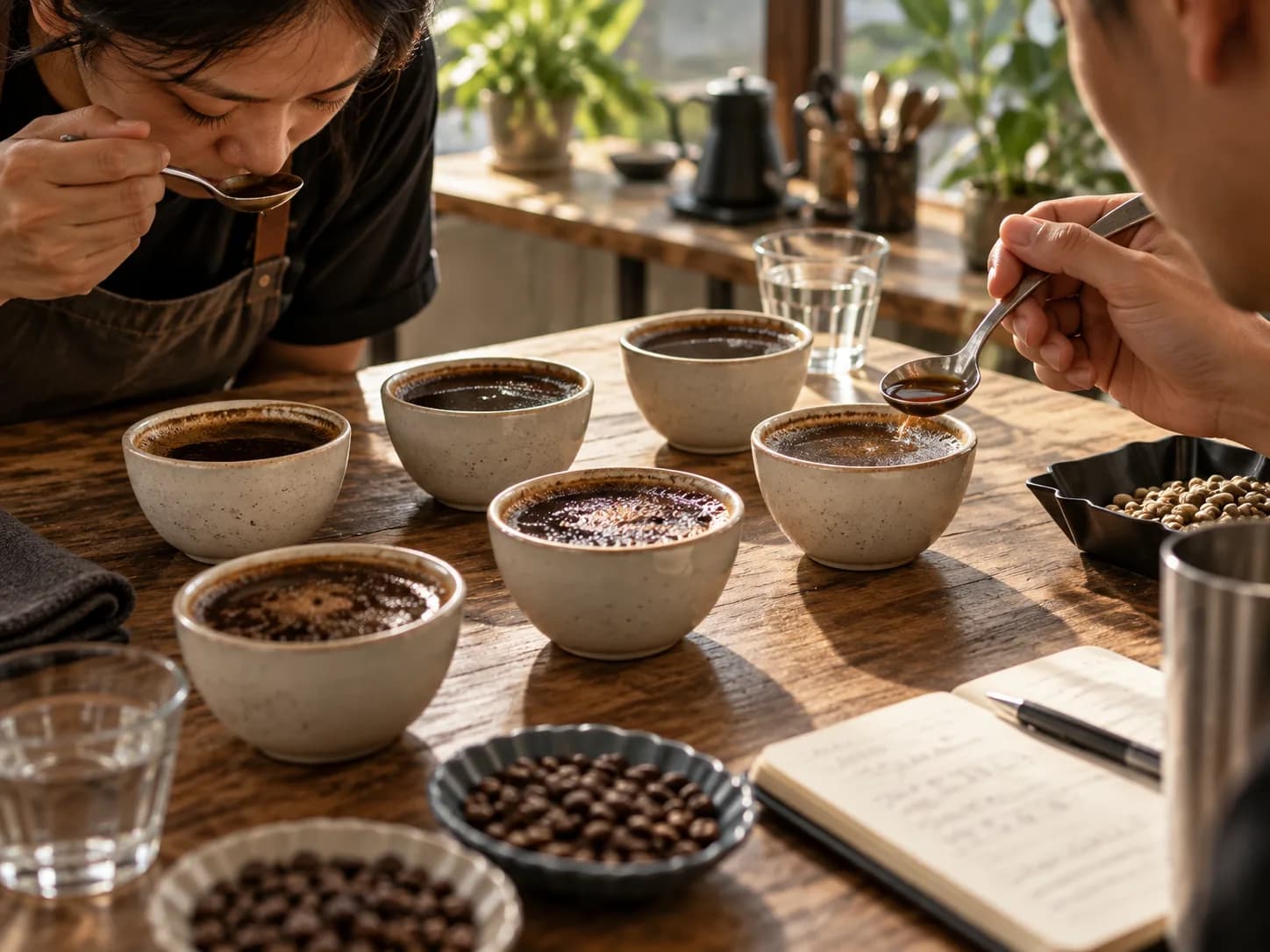
03 / Discover OCC Your Way
Start with the coffee that fits you.
Whether you are discovering Cambodian coffee for yourself or building a coffee program, begin with the path that matches how you want to experience OCC.
Explore OCC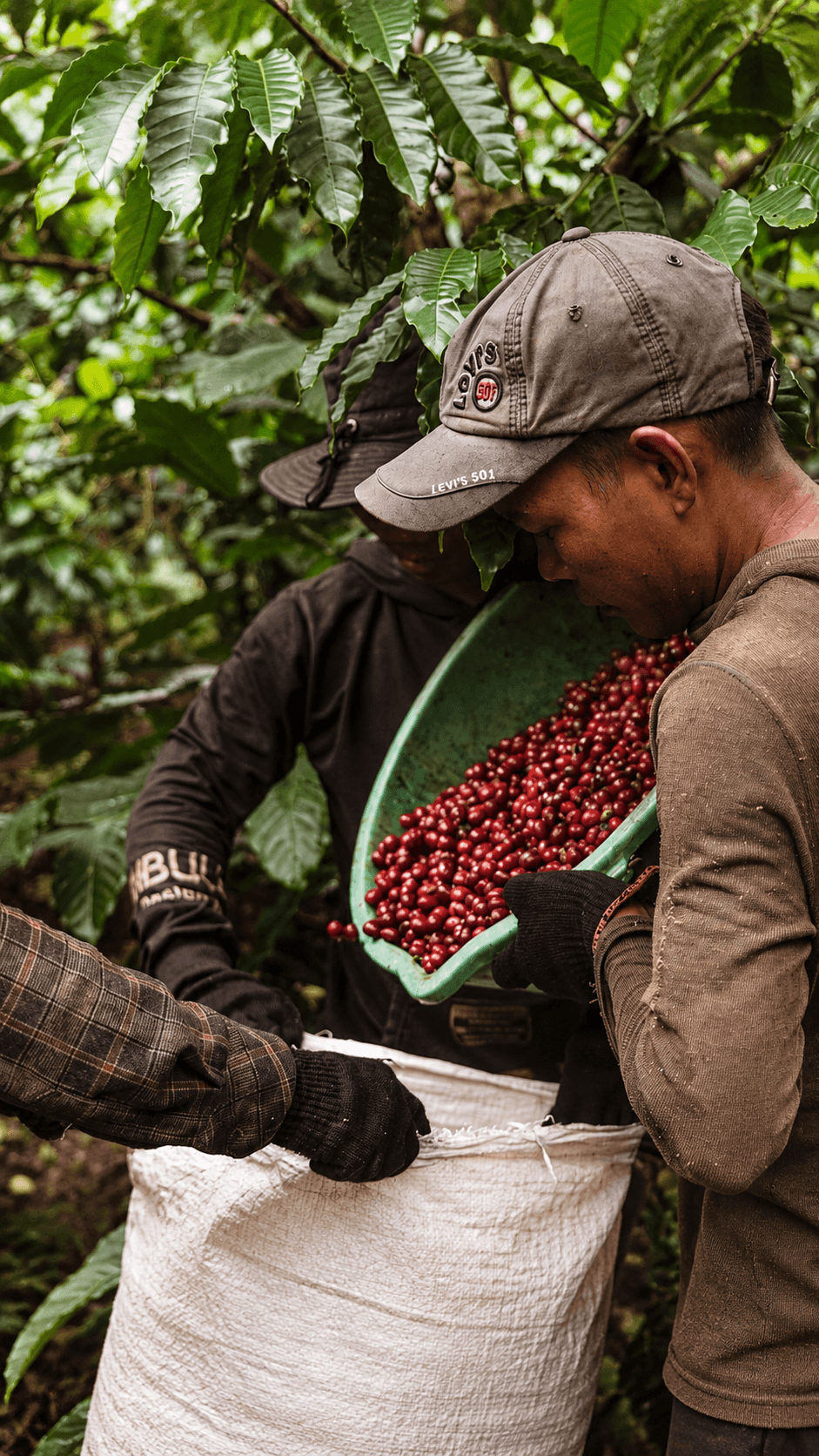 01Start from 1–2 kgCoffee ExplorerNew to Cambodian coffee? Start here and discover an origin you may not have tasted before.
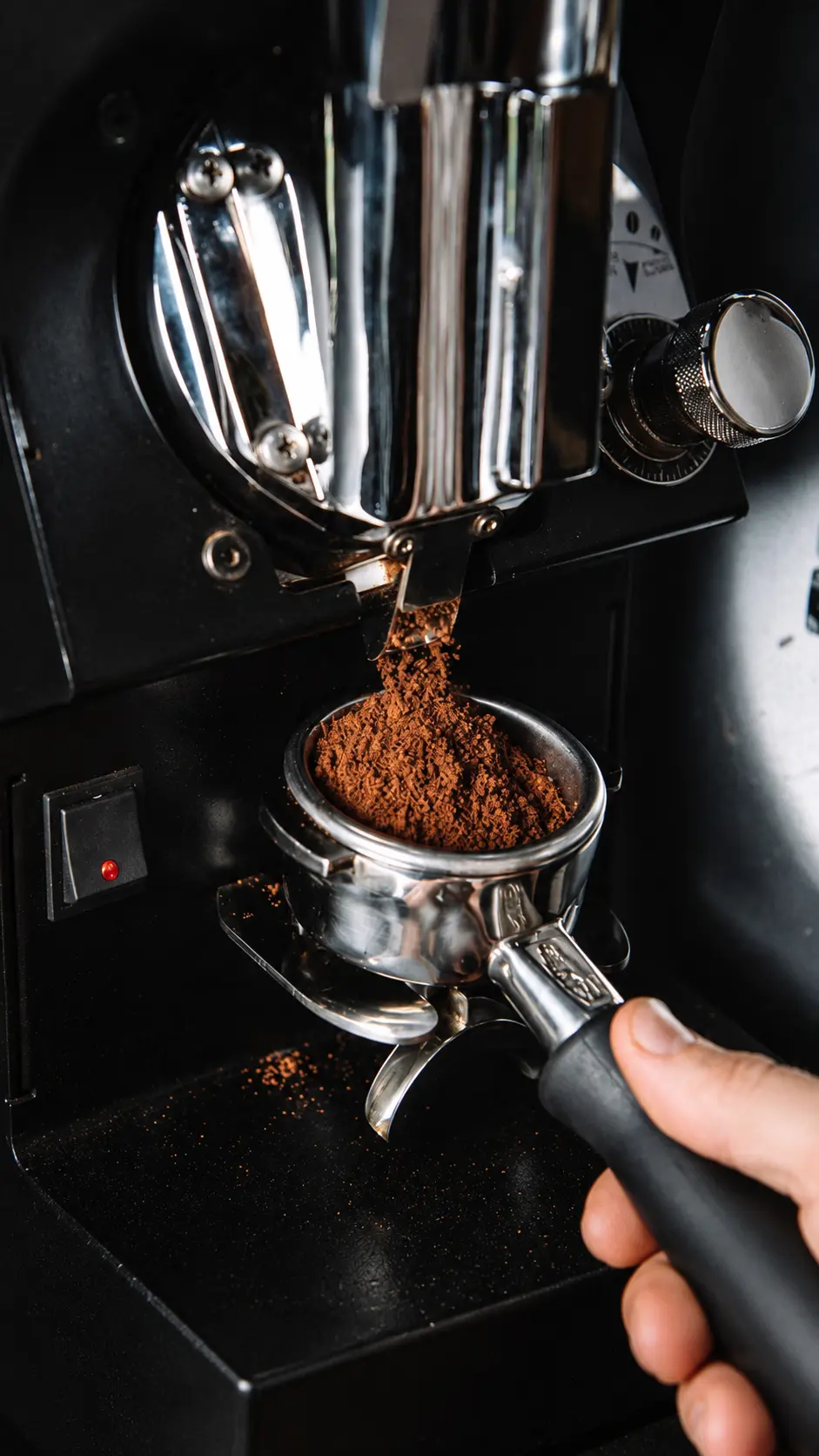 02For Your CaféGive regulars something new to talk about.Add a Cambodian origin, a new flavor direction and a story your customers may not have experienced before.
 03For Your HotelLet your guests taste Cambodia.Bring a stronger sense of place to breakfast, lounges, restaurants and guest gifting with Cambodian coffee.
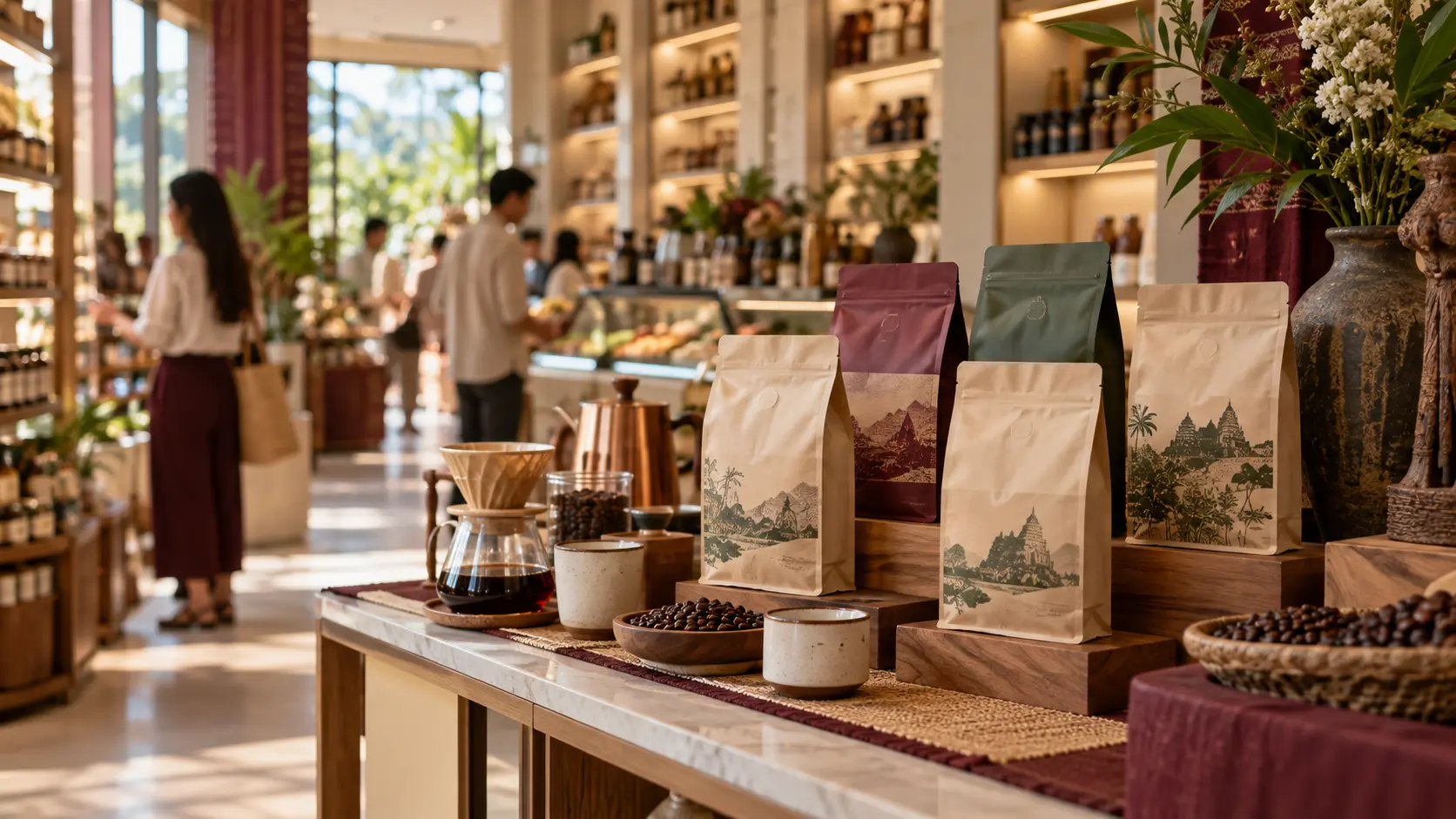 04Retail & DistributionBring OCC to your market.50 KG+ wholesale · 250 KG+ distribution
04 / Partnerships
Build a market for Cambodian coffee with Origin Coffee Cambodia (OCC.).
Origin Coffee Cambodia (OCC.) works with selected distributors, retailers, hotel groups and market partners that want to bring Cambodian coffee into new customer settings. Partnership scope is shaped around the market and discussed directly.
Distribution · Retail · Hospitality · Market Collaboration
Explore Partnerships
OCC Research Notes
Cambodian coffee, without the information overload.
OverviewWhy OCC focuses on Cambodia-origin coffee
Origin Coffee Cambodia (OCC) is a Cambodian specialty coffee brand and brand owner building origin authority, Fine Robusta expertise, product and roasting standards, and international branded distribution. OCC connects verified Cambodia-origin knowledge with commercial pathways for buyers, hotels, retailers, roasters, agents, and distributors bringing Cambodian coffee into their markets. OCC also publishes evidence-led work on Mondulkiri coffee, Coffea canephora, processing, grading, sensory evaluation, brewing, and origin quality. Technical claims and standards are presented with primary sources and stated limitations.
Research & Buyer NotesFine Robusta, quality, sourcing and buyer evidence
01DefinitionWhat does Fine Robusta mean?
Robusta is a common market name for Coffea canephora, a coffee species with substantial genetic diversity. Species and quality are separate questions: canephora is not automatically low quality, just as Arabica is not automatically specialty grade.
Fine Robusta is best understood through explicit physical and sensory evaluation rather than marketing language. OCC explains the standards, protocols, evidence, and limitations behind those evaluations and links readers to primary industry sources whenever possible.
02Quality SystemSix controls that shape high-quality canephora
Coffee quality is cumulative. Cherry selection, processing, drying, physical preparation, sensory evaluation, and traceability interact, and failures early in the chain may remain visible in the cup.
- Cherry selection: separate ripe fruit from immature, overripe, damaged, or contaminated material.
- Processing control: document fermentation or natural-processing conditions instead of treating processing as an unmeasured black box.
- Drying discipline: manage drying rate, airflow, cleanliness, and uniformity to reduce instability and storage risk.
- Physical preparation: sort defects and foreign material so a sample accurately represents the coffee being evaluated.
- Sensory evaluation: cup systematically and record clean, repeatable attributes rather than relying on species stereotypes.
- Traceability: connect observations to origin, harvest, producer or processing unit, and the conditions under which the data were collected.
03Canephora ResearchWhy Coffea canephora deserves to be studied on its own terms
World Coffee Research describes Coffea canephora as genetically diverse and notes that much of its variation, including cup-quality potential, remains underexplored. That makes a simple Arabica-good, Robusta-bad framework scientifically weak.
A more useful approach asks how genetics, environment, cherry maturity, processing, drying, roast development, brewing, and sensory method influence the result. OCC treats these as research questions rather than fixed assumptions.
04Buyer EvidenceHow should coffee buyers evaluate quality evidence?
A score or tasting note is only one observation. Stronger evaluation also asks what was sampled, when it was measured, which protocol was used, who performed the evaluation, and whether the result can reasonably be generalized to the coffee or lot under review.
- Identify the exact origin, harvest, producer group, farm, or processing unit described by the data.
- Record the process and the variables that were actually measured.
- Separate physical measurements such as moisture or defects from sensory interpretation.
- Check whether the sample is representative or unusually selected.
- State the sensory protocol, evaluator, date, and preparation method where available.
- Distinguish current observations from historical or province-wide claims.
- Separate primary evidence from interpretation, marketing language, or inference.
05CambodiaCambodian coffee origin, quality, and sourcing context
OCC focuses on Cambodian coffee, including Mondulkiri and other coffee-growing areas where credible data are available. Origin research supports practical sourcing by documenting geography, climate, plant material, production systems, processing, quality evaluation, and industry development without overstating what limited datasets can prove.
For an emerging origin, authority depends on evidence. OCC therefore prioritizes dated sources, explicit methods, primary standards, field data, research limitations, and clear distinctions between what is known, what is inferred, and what still needs to be verified for buyer decisions.
ReferencesPrimary sources
FAQCommon questions about OCC and Cambodian coffee
What is Fine Robusta?
Fine Robusta refers to quality-focused Coffea canephora evaluated with Robusta-specific physical and sensory methods. OCC treats the term as a quality and evaluation topic, not as a guarantee attached to every Robusta coffee.
What does Origin Coffee Cambodia do?
Origin Coffee Cambodia is a Cambodian specialty coffee brand and brand owner. OCC builds Cambodia origin authority, Fine Robusta expertise, product and roasting standards, and branded distribution pathways for professional buyers and market partners.
Who is Origin Coffee Cambodia for?
OCC serves buyers, hotels, cafés, retailers, roasters, agents, distributors, and other market partners evaluating Cambodian specialty coffee, Fine Robusta, branded distribution, or a defined coffee program.
How can a buyer contact OCC?
Use the OCC contact page for wholesale and branded distribution enquiries, sample requests, roasting-program discussions, hotel or hospitality opportunities, agent or distributor conversations, and other commercial partnerships.
Where does OCC focus its Cambodian coffee work?
OCC covers Cambodian coffee broadly and gives particular attention to Mondulkiri when credible local evidence is available. Geographic and quality claims are supported with dated, scoped sources rather than inferred from a place name alone.
Is Origin Coffee Cambodia a certification body?
No. OCC is not a certification authority. When OCC discusses Q Coffee, Fine Robusta, or other standards, the official protocol or institution remains the primary authority.