01 / Evidence
A label is not proof.
Claims need a source, a clear scope, and a record tied to the relevant farm, practice, or lot.

About / 04 · TRACEABILITY BUILDS ORIGIN TRUST
EVIDENCE, TRACEABILITY, AND CLAIM BOUNDARIES.
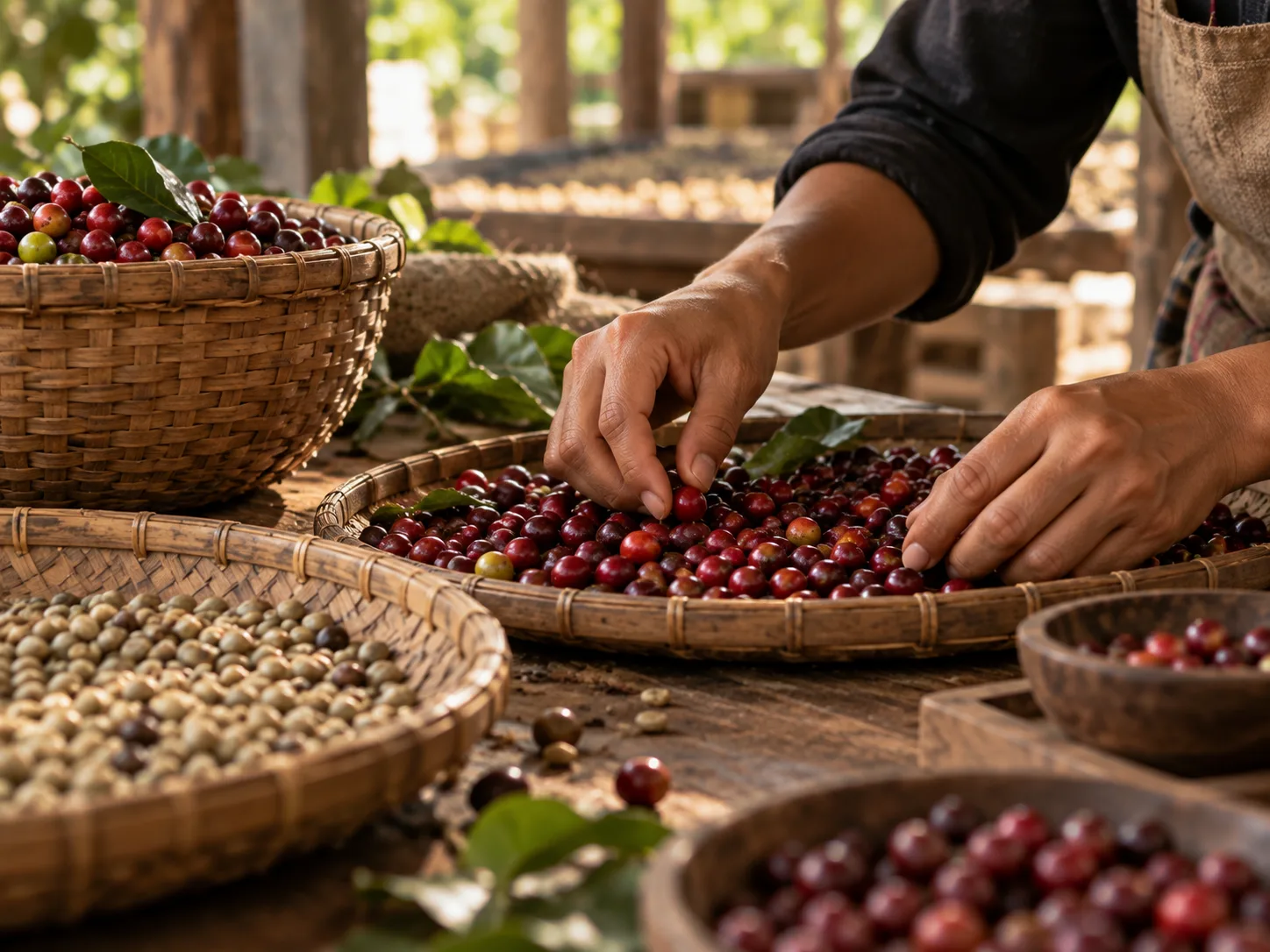
Our evidence principles
We document what can be verified, keep what is still unknown visible, and avoid turning a sustainability label into a general claim.
For Origin Coffee Cambodia (OCC.), responsible sourcing begins with clearer origin information, traceability, and evidence that can travel with Cambodian coffee into international markets.
How Origin Coffee Cambodia (OCC.) assesses claims
A consistent standard across origin, quality, and professional coffee decisions.
01 / Evidence
Claims need a source, a clear scope, and a record tied to the relevant farm, practice, or lot.
02 / Traceability
Useful traceability describes which origin and custody details are recorded and can be checked.
03 / Claim boundaries
Environmental outcomes depend on local practices; missing evidence stays visible instead of becoming an assumed benefit.
04 / Market trust
Clear documentation helps Cambodian coffee carry credibility into international buyer and regulatory conversations.
The full story
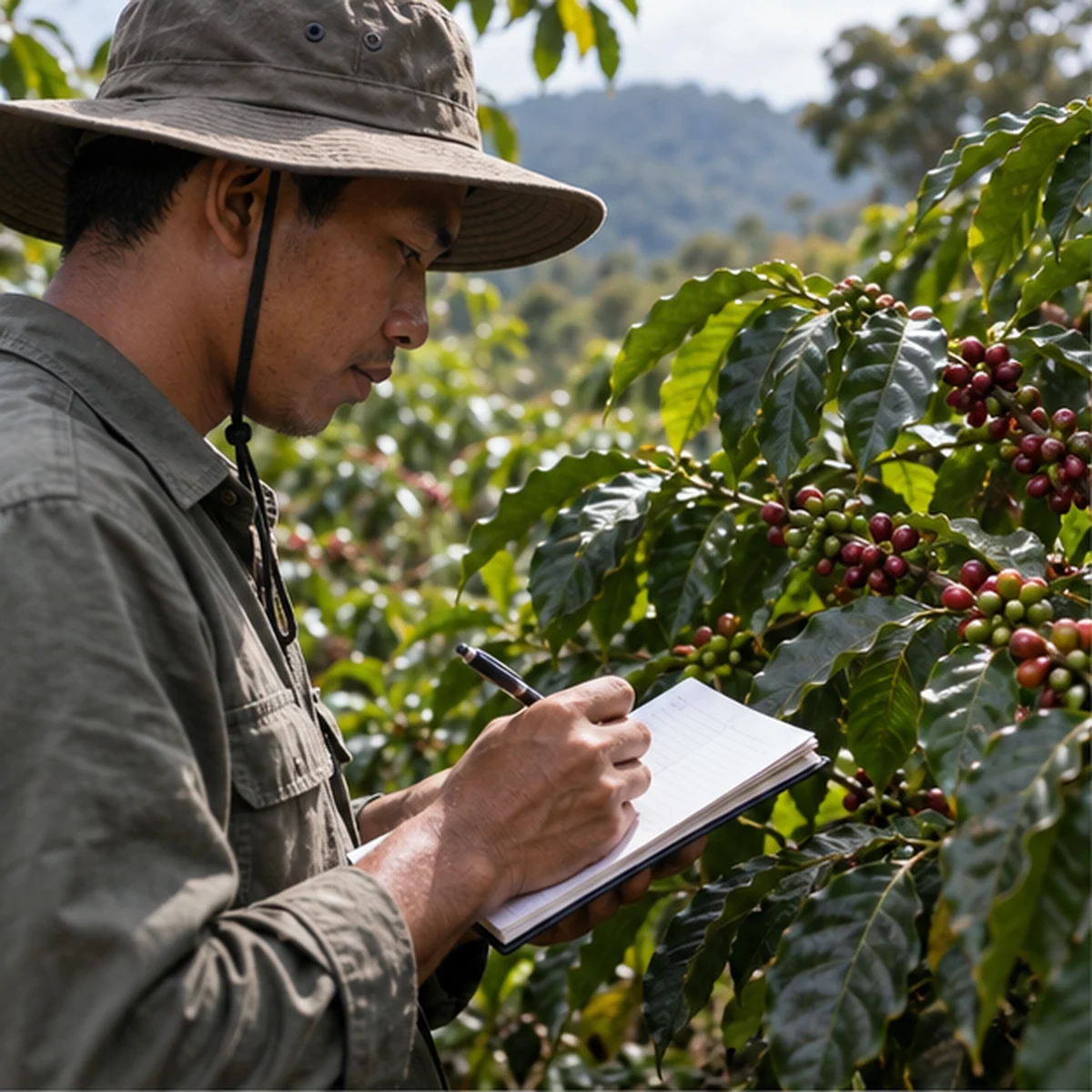
Terms such as sustainable, ethical, direct, regenerative, organic, shade-grown, and traceable can describe very different systems. Origin Coffee Cambodia (OCC.) does not treat a label as proof by itself.
A sustainability claim becomes useful when the evidence is specific: who recorded it, what was measured or documented, which lot or farm it applies to, and when the observation was made.
For Cambodia as an emerging coffee origin, that clarity supports international credibility. Trust has to travel with the coffee when it enters new buyer and regulatory contexts.
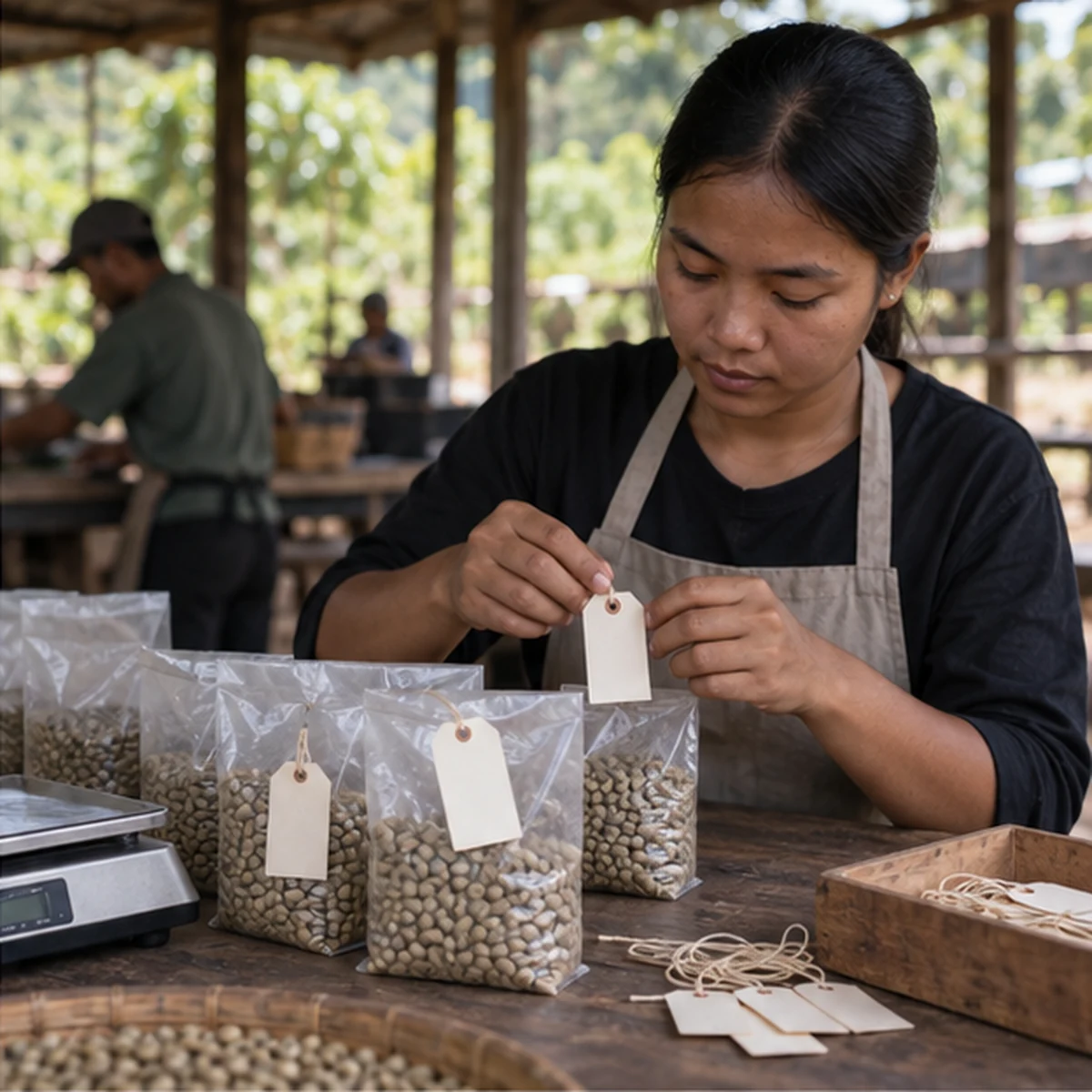
Traceability is not one universal checklist. For a specific lot, useful documentation may include origin, region, producer context, processing, harvest information, and chain-of-custody records where available.
Origin Coffee Cambodia (OCC.) distinguishes documented traceability from marketing language and avoids assuming that a country, region, producer group, or processing style automatically provides a complete record.
Clearer origin documentation makes Cambodian coffee easier for international buyers to understand and gives product claims a stronger basis for market access.
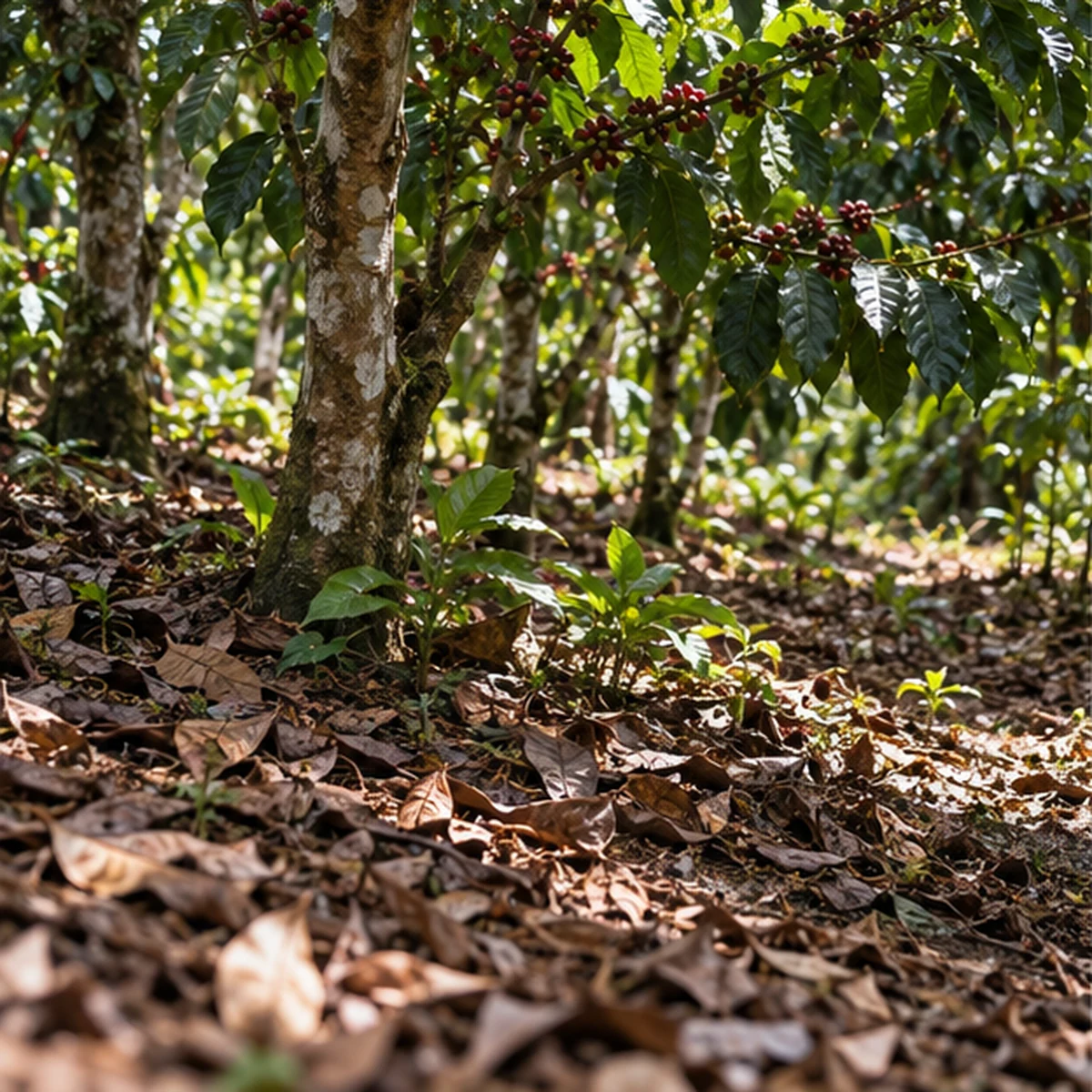
Environmental performance depends on local conditions and management practices. Water use, shade, soil management, agrochemical use, energy, waste, and land-use pressure cannot be inferred reliably from a coffee species or origin name alone.
Where evidence is limited, Origin Coffee Cambodia (OCC.) keeps that limitation visible instead of assigning an environmental benefit that has not been demonstrated.
Clear limits are part of international competitiveness: buyers should be able to see not only what is known, but where evidence still needs to be strengthened.
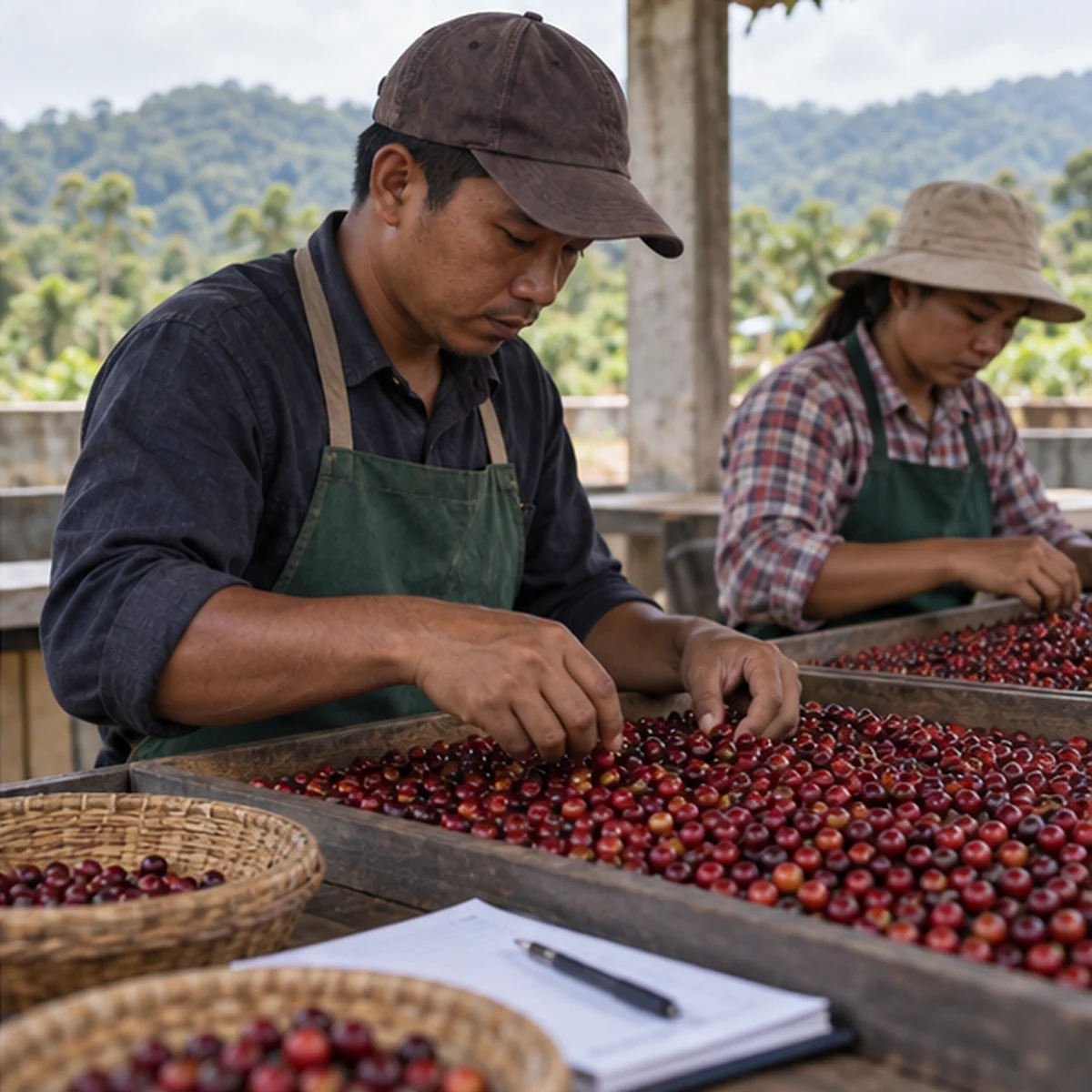
Origin Coffee Cambodia (OCC.) uses sustainability and traceability evidence to support sourcing, lot evaluation, quality communication, and B2B coffee-supply decisions. Where available, origin, processing, quality, and farm-level context stay connected to the specific coffee they describe.
Where a practice, certification, farm-level outcome, or supply-chain claim cannot yet be verified, Origin Coffee Cambodia (OCC.) keeps that boundary explicit. Missing information is treated as work still to be strengthened, not as certainty.
The broader purpose is to make Cambodian-origin coffee more credible, more legible, and better prepared for international scrutiny without turning sustainability into a slogan.
What we are building
For Cambodia as an emerging coffee origin, sustainability is most useful when it is specific: what is known, what is documented, and what still needs to improve.
Credible traceability gives buyers a stronger basis to understand Cambodian coffee without asking them to rely on storytelling alone.
Buyer questions
Origin Coffee Cambodia (OCC.) treats sustainability as evidence-backed practices and outcomes connected to a specific coffee, lot, farm, or supply-chain context. A label alone does not establish how that system performs.
Origin Coffee Cambodia (OCC.) looks at which origin and chain-of-custody details are documented for the specific coffee, who recorded them, and which parts can be checked. The scope of each claim stays tied to that evidence.
No. Environmental and social outcomes depend on local practices and evidence. Origin Coffee Cambodia (OCC.) keeps unknown or unverified details visible instead of assigning a general benefit to an origin, species, or process.
Work With Origin Coffee Cambodia (OCC.)
If your business is exploring Cambodian coffee, wholesale supply, custom roasting, or a market partnership, start a conversation with the Origin Coffee Cambodia (OCC.) team.
Start a Conversation